Puerto Rico
Puerto Rico is a U.S. territory with a long history that spans Spanish colonial rule, American sovereignty after 1898, and continuing debate over status, representation, and self-government. Today its government is centered in San Juan and operates through an elected governor and a bicameral Legislative Assembly, with territorial status remaining one of the defining questions of public life.
Median household income$25,621
Poverty rate39.6%
Median age45.0
Government & Representation
Use this section to understand how the state organizes executive authority, legislative power, and federal representation.
Puerto Rico’s territorial government is organized around an elected governor and a bicameral Legislative Assembly composed of a Senate and a House of Representatives. Its local constitutional order operates within the broader territorial relationship between Puerto Rico and the United States.
Judicial branch
Have a question? Need assistance? Use our online form to ask a librarian for help.
U.S. House delegation
House seats are apportioned by population and organized by congressional district, except for at-large delegations where applicable.
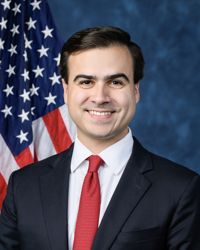
Find Your Representatives
Use one address to identify the people who represent you in Puerto Rico at the federal and state level.
Elections & Voting
Use the tools below for official rules, deadlines, registration, ballot access, and upcoming statewide elections.
Search by voter address
Enter an address in Puerto Rico to check polling places, ballot details, election officials, and any address-based voter tools Google Civic provides.
Statewide voting links
Upcoming elections
Upcoming statewide elections from Google Civic appear here when they are available.
Upcoming Elections in PR
Indiana Primary Election
Election day: May 5, 2026
Election ID: 9454
State: Indiana
Ohio Primary Election
Election day: May 5, 2026
Election ID: 9473
State: Ohio